Swedish Massage
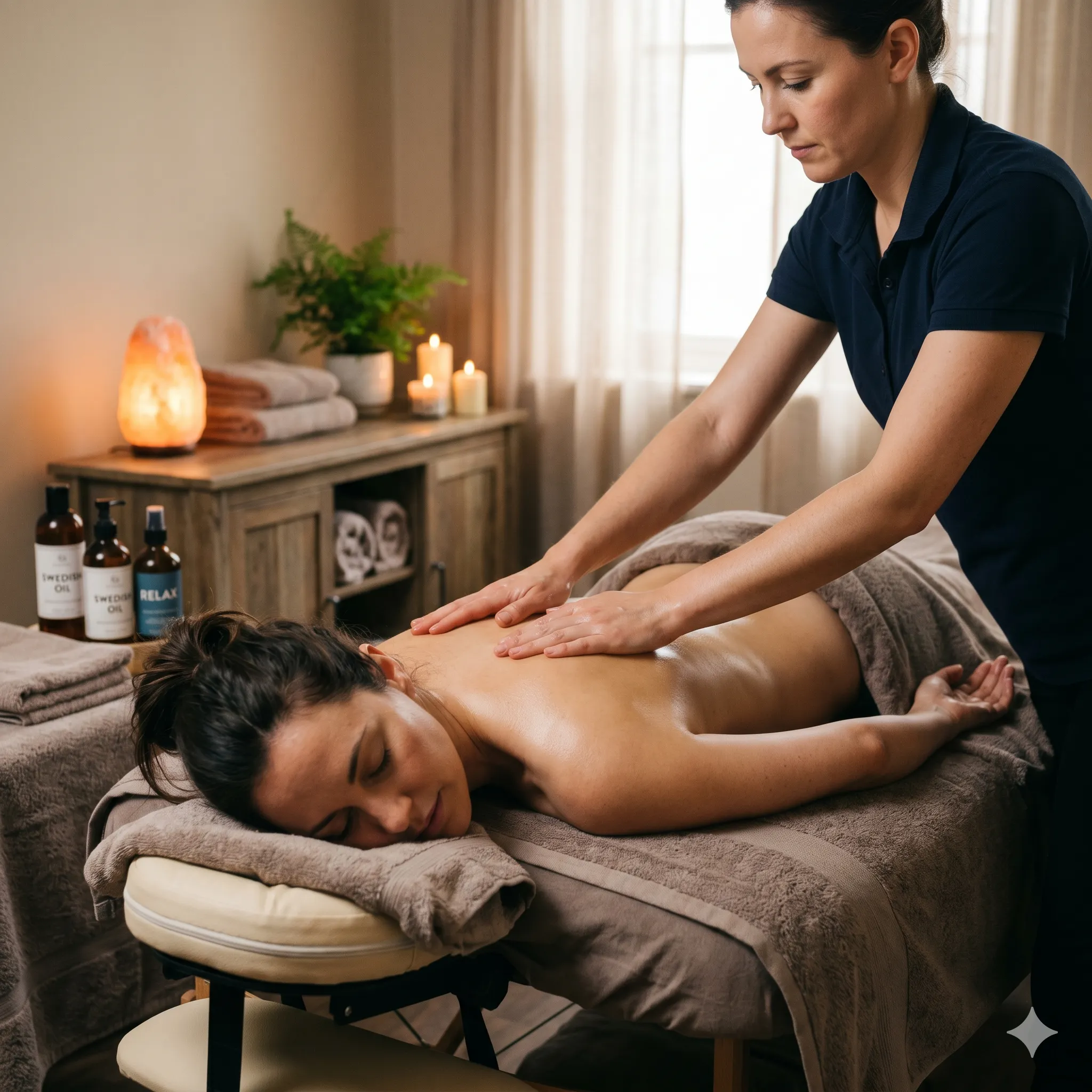 Swedish massage is the most common and basic form of massage. It usually involves dressing down and using lubricant to apply long and light strokes throughout the tissue. This technique unfortunately limits what kinds of benefits it can apply to the body, but it still promotes blood flow and it triggers our parasympathetic nervous system (our rest and digest). Most applications of massage will trigger the rest and digest part of the body, but Swedish massage excels at putting the massagee in a very relaxed, sleep-like state.
Myofascial Release
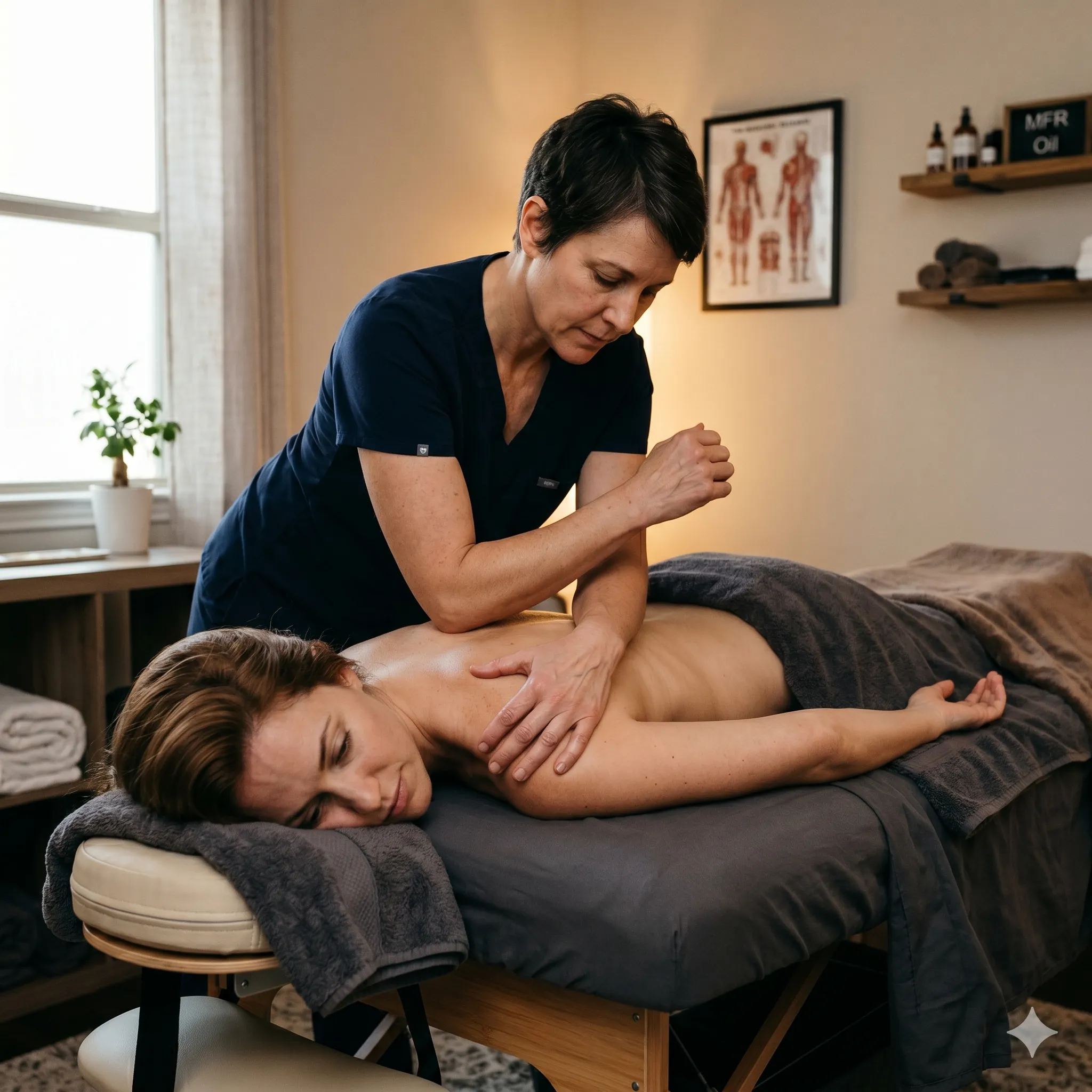 Myofascial massage involves working with the kinetic chain. Our hamstring dysfunction will often lead to lower back problems (and vice versa) simply by the association the two share through the posterior chain. There’s lots of images on the internet of the myofascial chain, and the body’s problems can very well follow the compensatory patterns of dysfunction. Using myofascial release (amongst other techniques) will help with the kinetic chain, reduce adhesions (aka knots), promote bloodflow, and all the other goodies that massage can do for the body.
Sports Massage
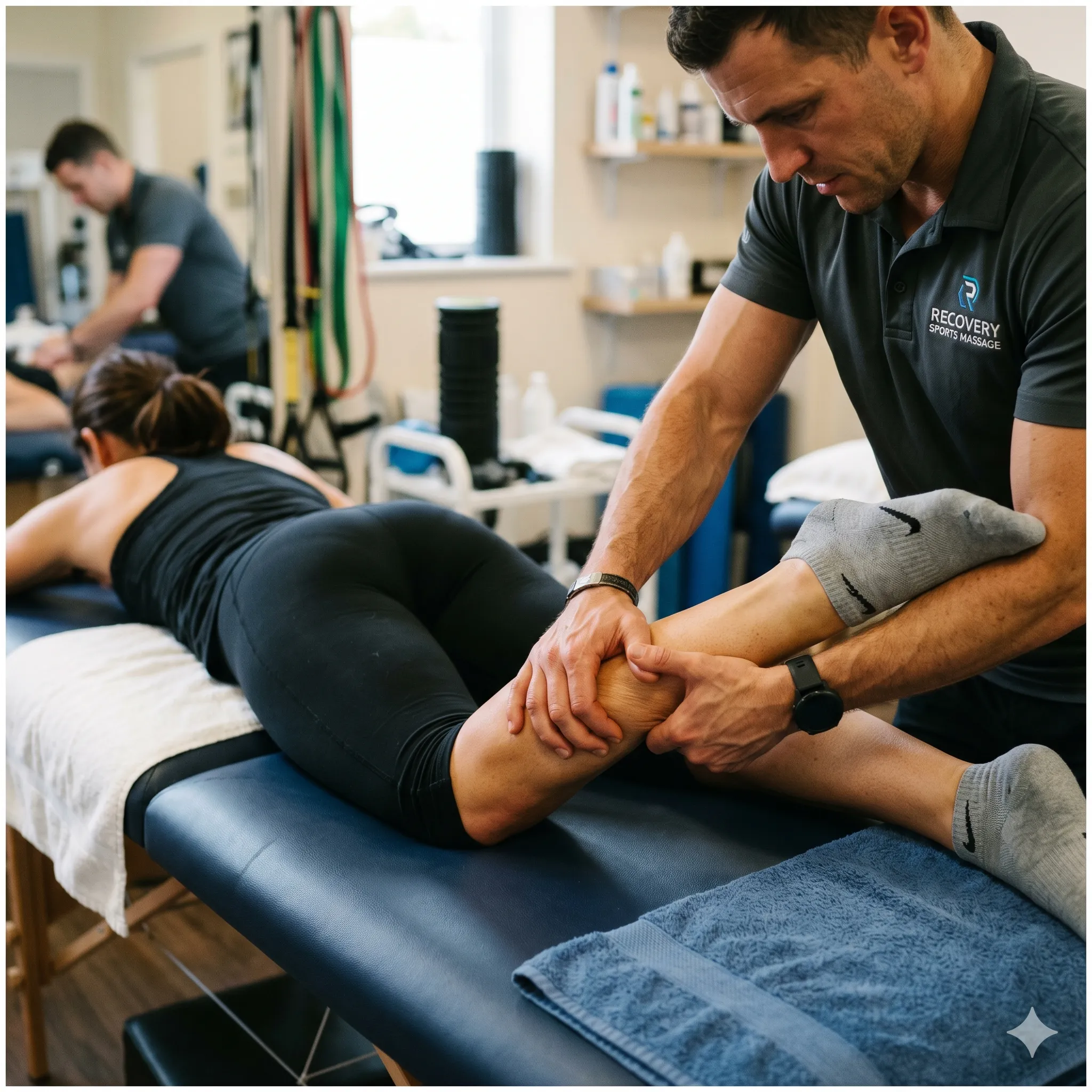 Sports massage involves rehabilitating connective tissue, preparing and winding down athletes before and after upcoming events, and working with the nervous system’s innervation. If you’re an athlete who competes or just wants overall quality of health improvements, this modality can further your ability in and out of your profession through reinforcing your contractability, “loosey-gooseyness”, and proprioception.
Proprioception has a lot to do with the river analogy I mentioned in the nerves tab under movement. There will be more about proprioception in neuromuscular facilitation.
Neuromuscular Facilitation
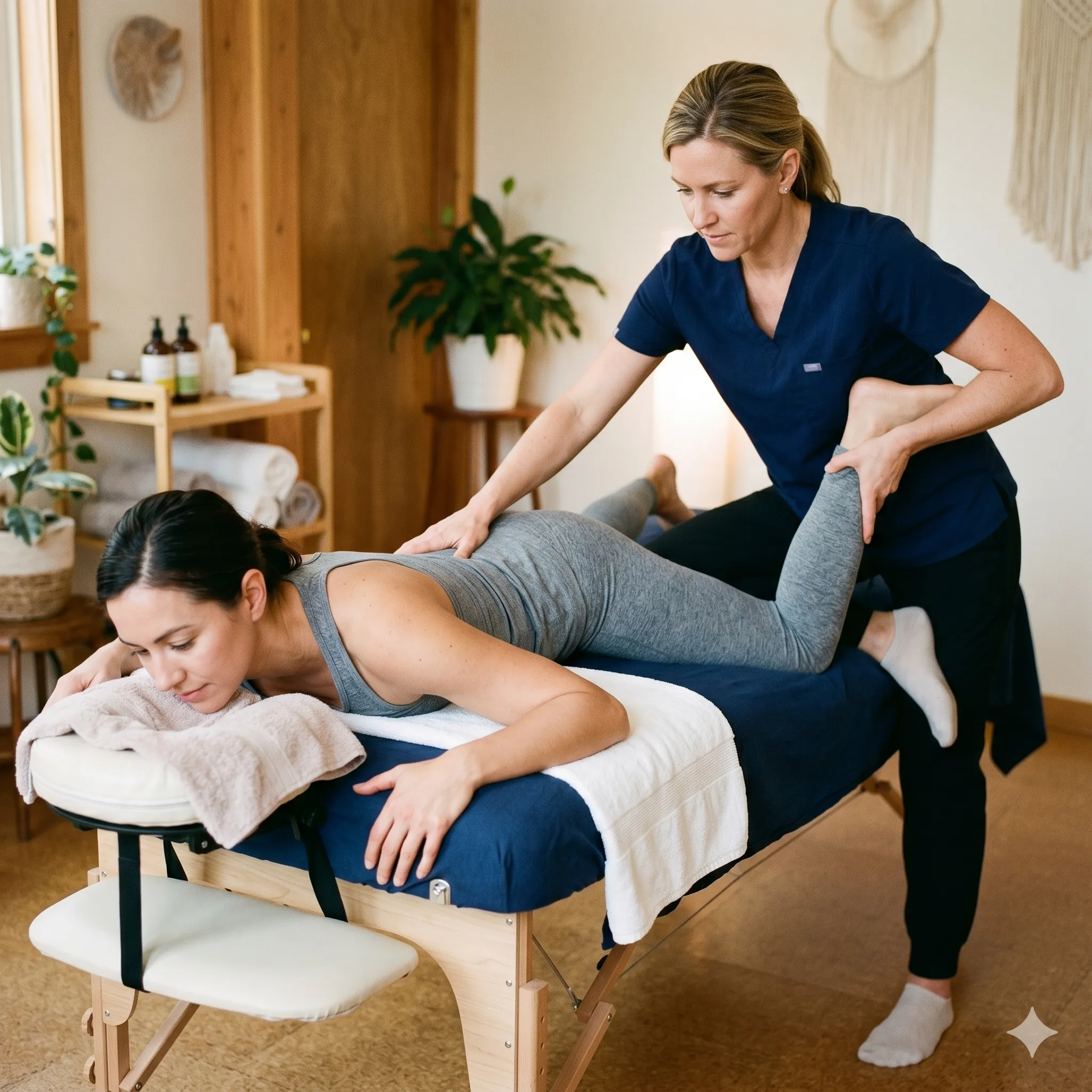 Neuromuscular facilitation works directly with the neuromuscular junction at which the nerves innervate the muscle. There is something called proprioception. Proprioception is the body’s ability to communicate back and forth with the musculature’s position in the space around you. If you close your eyes and stick your hands out in front of you, you’ll have a good sense of where they are in the space around you. If you spread your arms out, you’d probably have a pretty easy time bringing your hands together even without being able to see them.
That is proprioception, the bodily awareness of the space around you, and it plays a massive role in balance and postural positioning. You have two proprioceptors within the muscle, one in the muscle belly called the Muscle Spindle that detects the change in length of the fibers, and then the other, golgi-tendon organ (GTO), sits within the tendon which contracts the muscle when commanded. The two proprioceptors are our limiters. They keep our muscles safe by preventing them from stretching too far and by limiting how much weight we can lift if they’re not strong enough. The muscle spindle and GTO always impose limits at much lower percentage than what you’re really capable of simply because it’s safer. If you went over the threshold of 100% during a contraction, you would tear your muscle or at the very least damage it significantly. The body will generally limit you to a maximum of 70%-80% of your capabilities to ensure safety, through adrenaline and other strenuating circumstances, you can override your safety mechanisms and do feats of strength that wouldn’t be possible otherwise. These incidents will almost always lead to significant injuries like grade 1-3 muscle tearing.
Through dysfunction and protection mechanics, your proprioceptors will lower your maximum percentage lower and lower over time, limiting your musculature to what could be 40%-60% function.There are techniques in neuromuscular massage that shows the proprioceptors that movement isn’t the enemy, removing some of the imposed restrictions. There is A LOT that goes into it, but a lot of the work I do resets the nervous system and systemically reinforces a more pain free body.