Muscle Contraction
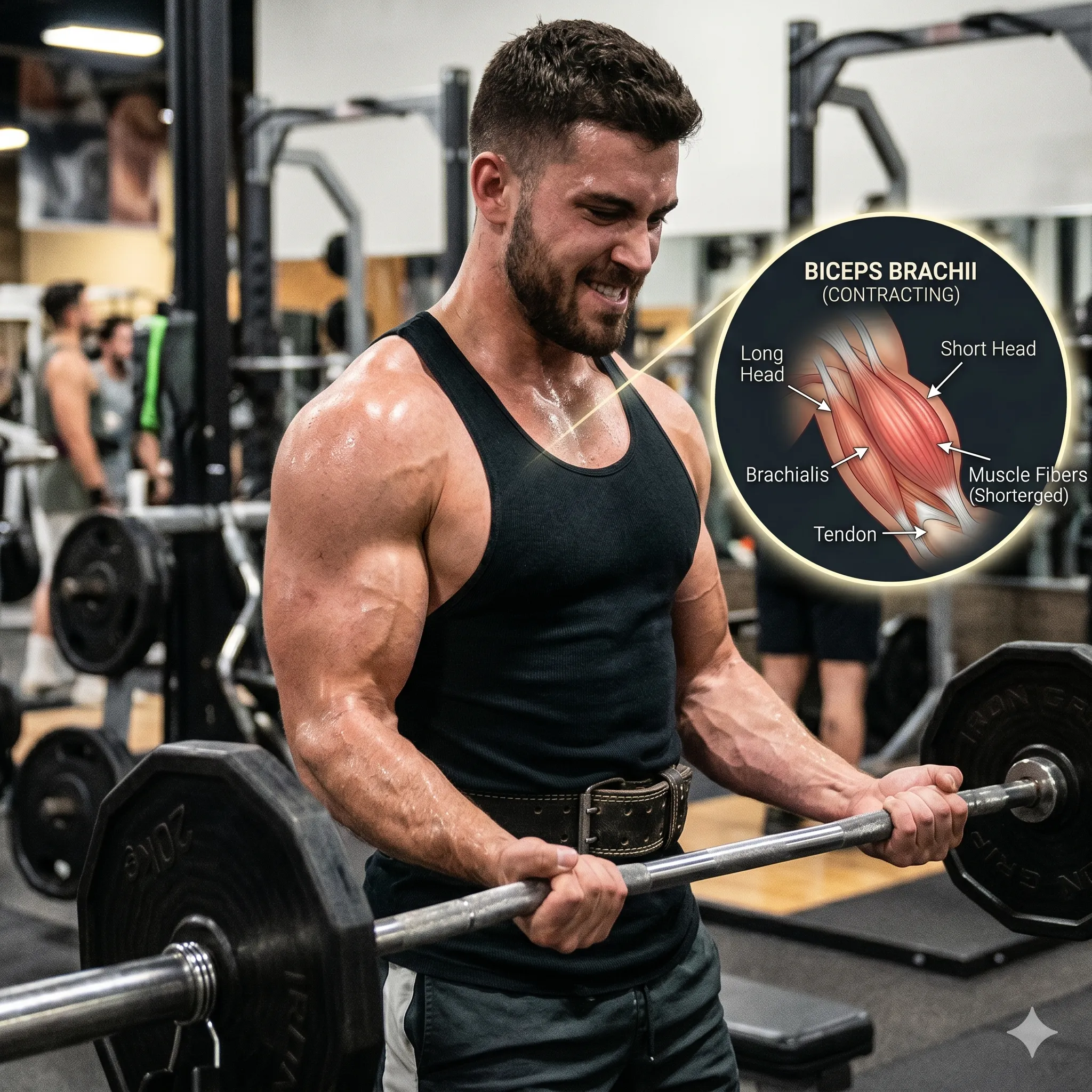 Every time we contract our muscles, we wring them out like a wet towel. It’s very hard to find an accurate image of what a proper muscle contraction looks like as most models will only show the muscle shortening. Muscles on a microscopic level are set up in a helix like arrangement. Whenever a muscle contracts on this level, the coil shape tightens and condenses like wringing out a wet towel, and just like wringing out a wet towel, the contraction of the muscle pushes out old blood and old toxins. New blood HAS to take its place, and new blood carries new oxygen and water molecules. Oxygen is our healer, so naturally contracting our muscles pumps more healing into the tissue, accelerating recovery, but the water is actually what makes our tissue more soft, supple, pliable, and stretchy. Whenever there is a lack of hydration to the muscle (which can occur due to a lack of hydration OR due to a lack of frequent contractions), it becomes dehydrated which makes it more fibrotic and taut which further decreases blood flow causing a vicious cycle that worsens itself over time. Contracting your muscles slowly and methodically 10-15 times every half hour can reduce muscle tension significantly if done properly and punctually.
Joints
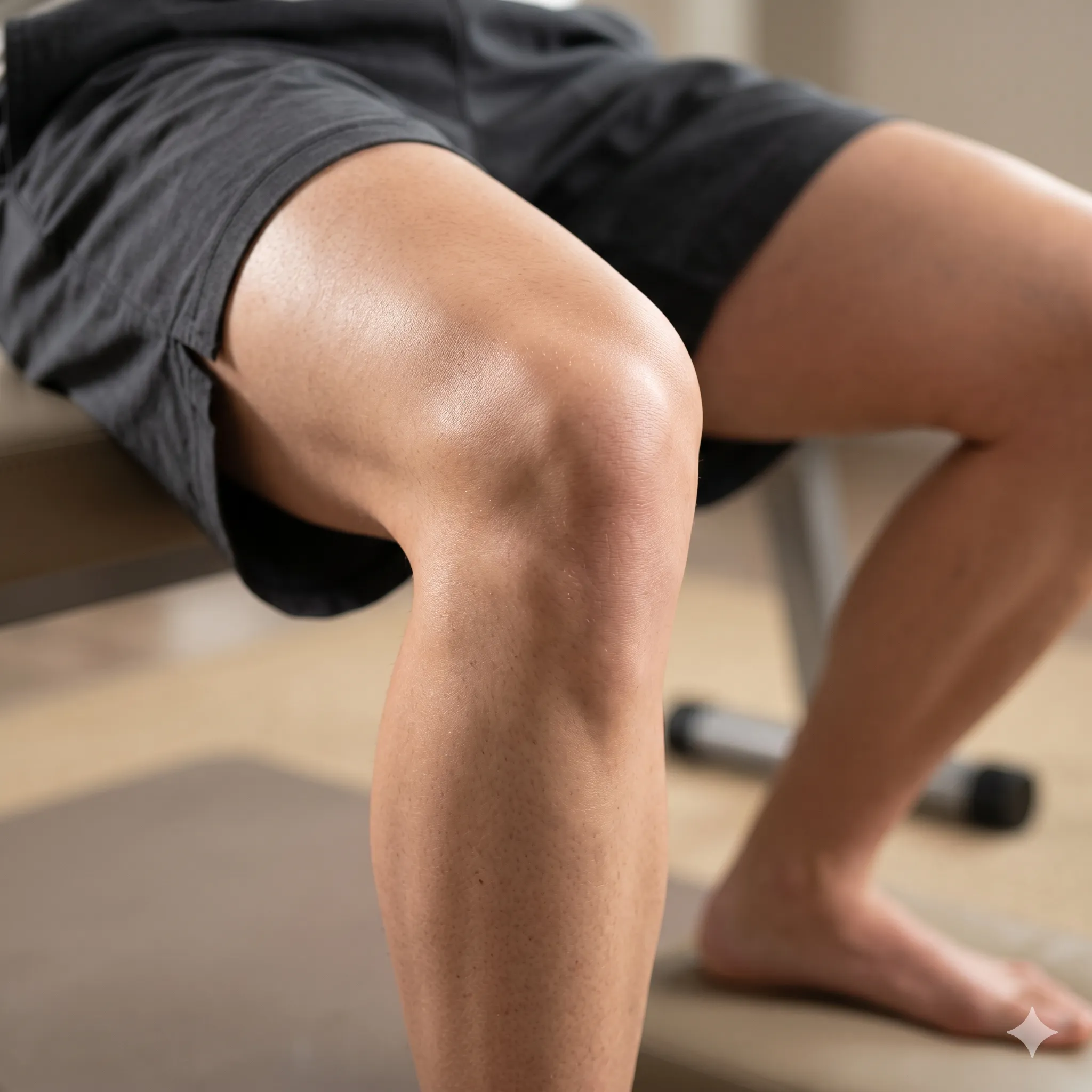 Every time we move our joints, we produce two things: chondrocytes which is the cell for cartilage, and synovial fluid which helps act as the WD-40 for our joints. Through stagnation we don’t make as much of our joint cushioners which will lead to a smaller space for our joints. Cartilage is there to act as a barrier for the bones not to rub against each other, and as the cartilage deteriorates due to excessive compression and/or lack of proper movement, the damage to the joint leads to arthritis. Just some simple curling of your fingers and/or other joints can increase the longevity of them by leaps and bounds. Glucosamine chondroitin is a fantastic supplement that helps prolong the life in your joints, and I strongly recommend everyone over the age of 40 take them for the rest of their life.
Fascia
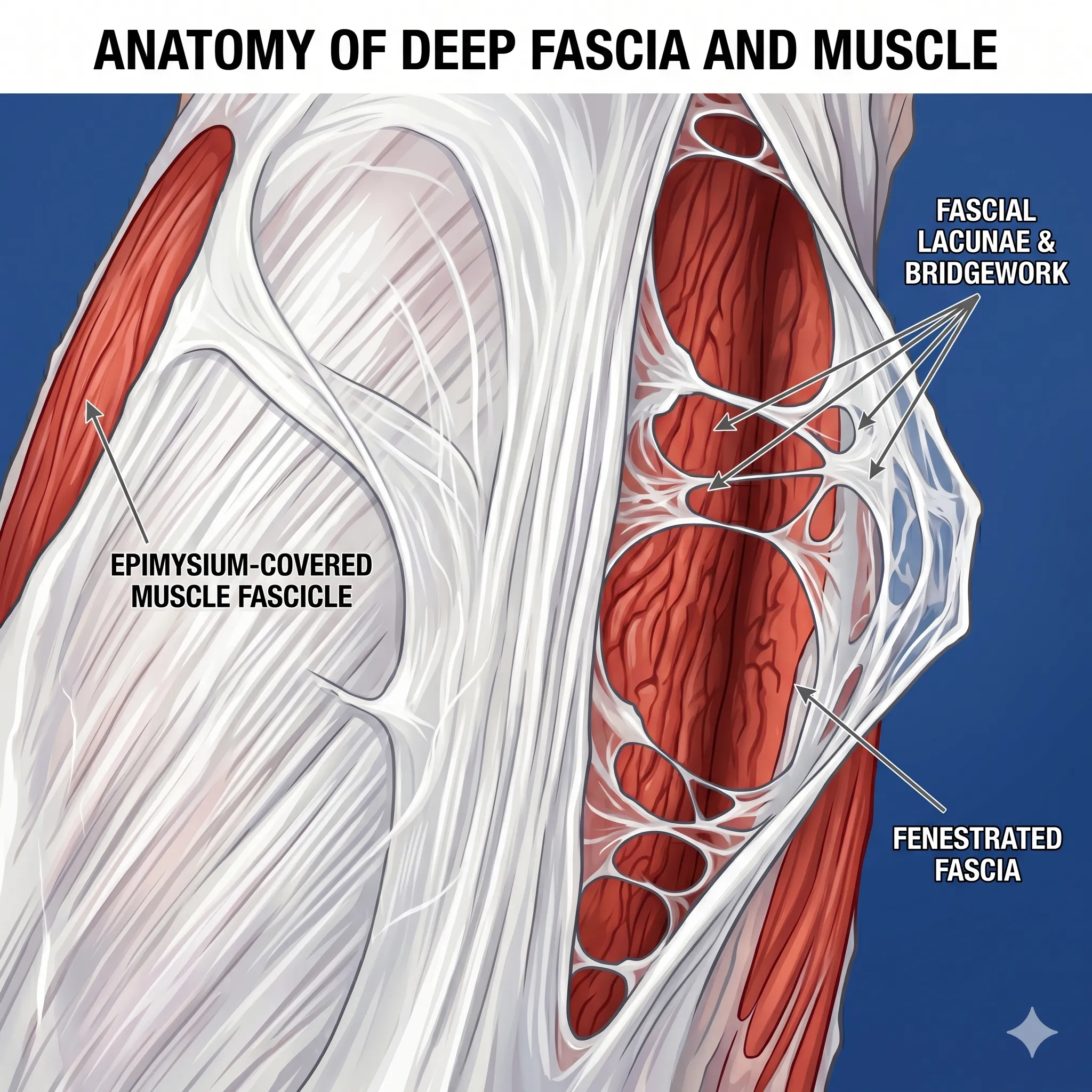 There is a type of connective tissue in the body called fascia. Fascia surrounds our joints, ligaments, bones, tendons, muscles, you name it. It’s what holds our organs in place and there’s also a type of fascia that is free floating in a spiderweb like arrangement throughout the body. Fascia is the glue in the body. It holds things together and acts as an adhesive. It works a lot like butter, when you warm up, it melts, and when you cool down, it hardens. This is actually what makes up our “knots” in the body. This fascia hates stagnation. It builds up and stacks up on top of itself adhering more and more tissue until inevitably everything is stuck together.
https://www.youtube.com/watch?v=_FtSP-tkSug&rco=1
In this video linked above, it really showcases what fascia looks like and what the consequences of stagnation can lead to. Fascia is a whole topic in of itself and should be considered a 12th system within the human body. There’s a slew of good information online about what it is and how to keep it from forming your “knots”, and I strongly recommend anyone who wants to avoid soft-tissue pain look into it.
Nerves
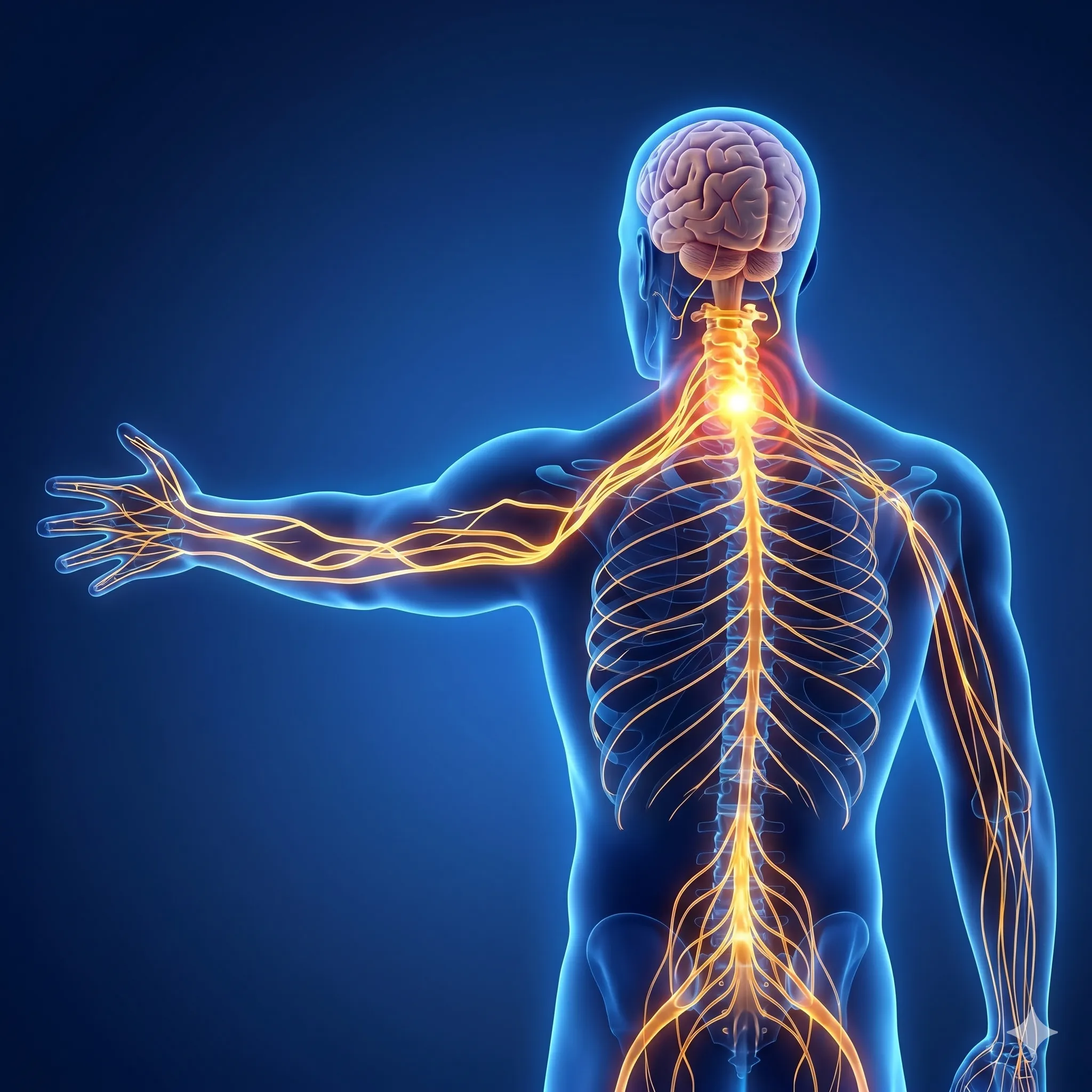 The nerves should really fall under the contraction section but it was already long enough. It also deserves its own section as there’s a lot to understand whenever nerves are involved. Think of nerves like rivers. There’s a constant stream (albeit back and forth) and anytime there are any blockages, the current is cut off and/or much slower. Every time we send a command to a muscle (aka a contraction), the brain has to send a “rush of water” through the nerve pathway in order to reach the target muscle. Through a lack of movement and/or improper contraction, that pathway will slowly dry up or I like to say “beavers will come through and build up dams along the river”, inhibiting the flow on the other side more and more. This takes time to occur, but through modern lifestyles and occupation, movement is far less prevalent in our day to day lives. Over the course of years, the flow will get weaker and weaker leading to what is known as an inhibited muscle. Simply contracting your muscles will keep the current open and full of a healthy stream of information.